
From Mica Paper to Mica Tube: A Beginner Explainer on Roll-Formed Mica Insulation

A roll-formed mica tube is a cylindrical insulator built by winding silicone-resin-impregnated phlogopite mica paper around a mandrel and consolidating the wound wall into a rigid, self-supporting cylinder. In the composition commonly used to describe the format, roughly 85% of the finished tube is mica and about 15% is bond. Diameter, wall thickness, dielectric behaviour and temperature rating all follow from how those two materials are prepared, wound and cured rather than from the mica alone.
Most first-time buyers meet the mica family in the wrong order. They receive a drawing that calls for a mica tube, search for suppliers of mica insulation, and land on pages describing mica tape, mica roll, mica sheet or mica plate. The formats look similar in photographs and share the same mineral base, so the assumption is that they are interchangeable and differ only in size. They are not. This explainer follows one material stream — phlogopite mica paper into a roll-formed mica tube — so that the vocabulary, the construction logic and the questions worth asking at quotation stage become clear.
Why mica paper, mica roll and mica tube get confused
The confusion is a naming problem rather than a chemistry problem. Mica paper is an input material; mica tape, mica roll, mica sheet and mica plate are sheet formats made from it; a mica tube is a three-dimensional format produced by roll forming. Each sits at a different point in the same production chain, and each answers a different design question.
Mica paper is the thin, flexible mineral sheet that carries the electrical and thermal duty. In Glory Mica's product description for its R-5461 mica roll, the construction starts from phlogopite mica paper — or synthetic mica paper or calcined mica paper — impregnated with a special silicone resin, applied on glass cloth or a ceramic backing depending on the application. The paper is the active layer; everything else in the build exists to support, bond or protect it.
Mica roll is the format most often mistaken for a tube. In the same catalogue, mica roll is a flexible rolled sheet supplied in 20 m, 25 m, 40 m, 50 m and 100 m lengths. The phlogopite glass-backed grade R-5461-PGP is listed at 0.2 ± 0.02 mm to 0.5 ± 0.04 mm thickness, with mica content from 350 ± 10 g/m² to 730 ± 20 g/m² and breakdown voltage from greater than 2 kV to at least 5 kV depending on the thickness. It is a sheet delivered on a core, not a formed cylinder.
Mica tape is the narrow, slit version of the same idea, wound onto cores for cable and coil wrapping. Phlogopite mica tape R-5461-P-GFD is listed at 0.14 ± 0.02 mm thickness, 216 ± 13 g/m² total weight, mica content 145 ± 5 g/m², breakdown voltage greater than 3.5 kV and tensile strength greater than 120 N/15 mm, in 500 m, 1000 m and 2000 m lengths. Mica sheet and mica plate are the flat, pressed relatives of these products, supplied as rigid or flexible laminates rather than rolls.
Mica tube is the only format in this group with a closed cylindrical wall. Glory Mica's catalogue lists both a phlogopite mica tube and a muscovite mica tube, and maps them into its household-appliance and new-energy/energy-storage product sets. Because the tube is built by winding rather than by pressing a flat laminate, its construction logic, its failure modes and its specification language differ from those of tape, roll, sheet or plate.
Industry background: why the mica type is decided before the format
Mica insulation is chosen for the combination of dielectric strength and heat resistance that comes from the mineral's layered crystal structure. Glory Mica's rail-transit application record describes the mechanism in practical terms: because of that layered structure, mica resists arc burning strongly, and an arc that appears on a mica surface is extinguished there rather than forming a conductive carbonised path along it. That property is what makes mica useful in fire-resistant cable, appliance heating and high-voltage barrier duties, and it is why the material survives where polymer films soften.
Glory Mica (Zhejiang Glory Mica Co., Ltd.) is a mica materials manufacturer founded in 1998, operating plants in Pingjiang and Xinhuang with a combined listed workforce of 617 and more than 90 R&D staff. Its product range covers mica tape, mica plate and mica sheet, mica tube, mica roll, mica paper, mica parts, mica insulator, mica heating elements, epoxy glass laminate and mica laminate and washer. Further company detail is available at Glory Mica.
Within that range, the mica type sets the temperature ceiling before the format is chosen. The clearest documented comparison sits in the flexible plate grades, where two products share the same construction and differ only in mineral: R-5660-S3 uses phlogopite mica paper with a silicone binder and is rated for continuous service at 700 °C and intermittent service at 1000 °C, while R-5660-S1 uses muscovite mica paper in the same construction and is rated for 500 °C continuous and 800 °C intermittent. Both are listed at approximately 90% mica and 10% bond, density approximately 1.9 g/cm³, dielectric strength greater than 20 kV/mm and UL94 V-0 flame resistance.
That pairing is the single most useful fact for a beginner: identical processing, different mineral, a 200 °C difference in continuous rating. A roll-formed mica tube follows the same rule. If the drawing calls for phlogopite, the tube is being specified for the higher-temperature end of the duty range; if it calls for muscovite, the application is more likely to be an electrical rather than a thermal one. Either way, the rating on the tube datasheet must be read as continuous or intermittent, because the two figures are not interchangeable.
Compliance pressure is the second background factor. Products in this family are commonly referenced against fire-test standards rather than a single product standard: Glory Mica's phlogopite mica tape R-5461-P-GFD lists fire grades of 750 °C to 850 °C together with IEC 60331, and its glass-backed synthetic mica tape R-5461-S-GS lists BS 6387 at 950 °C to 1000 °C together with IEC 60331. In China, GB 38031-2025 on electric-vehicle traction battery safety took effect on 1 July 2026 and requires 120 minutes of protection under its thermal-runaway test conditions, which is one reason mica barrier components are specified more tightly than they were a few years ago. A new buyer does not need to master these standards, but should expect a tube quotation to state which one, if any, the product is tested against.
The three inputs of a roll-formed mica tube
Mica paper: the mineral sheet that carries the duty
Mica paper is a coherent sheet built from mica flakes, and its grade determines most of what the finished tube can do. Phlogopite is the grade normally associated with higher-temperature and fire-barrier work; muscovite is used where electrical insulation is the dominant requirement; synthetic and calcined mica papers appear where higher fire performance or specific processing behaviour is needed. Glory Mica's material description for the R-5461 family explicitly allows phlogopite, synthetic or calcined mica paper as the base, with calcined mica tape R-5461-CM-GS listed as a separate product in the tape range.
What the paper contributes is continuity. The mineral flakes overlap into a sheet that resists penetration by heat and voltage, and the sheet's grammage — the grams per square metre figures listed for every tape and roll grade — is a direct indicator of how much mica is present per unit area. A heavier paper generally means more mineral in the wall, which is why grammage and breakdown voltage tend to move together in the published data.
Silicone resin binder: what holds the wall together
Silicone resin is the binder that turns loose mineral paper into a handleable, dimensionally stable component. In the product descriptions, the mica paper is impregnated with a special silicone resin before it is applied to its backing, and in the plate grades the mica is combined with a silicone binder and pressed at high temperature to form the laminate. The resin is not a filler; it is the continuous phase that bonds flake to flake within a sheet and layer to layer through a wound wall.
The choice of silicone rather than another resin class follows from the same logic as the mica choice — the binder has to survive the service temperature without losing the bond. It also explains why bond content is quoted separately from mica content on every serious datasheet: the two numbers together describe the whole construction, and neither alone predicts performance.
The approximately 85% mica / 15% bond composition
The composition commonly used to describe a roll-formed mica tube is approximately 85% mica and 15% bond. Read that figure as a construction description rather than a performance guarantee: it tells the buyer that the tube is overwhelmingly mineral, with the resin present in the amount needed to bond the wound structure, and it gives a baseline against which a supplier's own statement can be compared.
Set beside the plate grades, the number is informative. Glory Mica's flexible phlogopite plate R-5660-S3 is listed at approximately 90% mica and 10% bond, and its rigid muscovite plate R-5660-H1 at approximately 92% mica and 8% bond. Both are flat laminates consolidated in a press. The lower mica share in the 85/15 tube figure is consistent with the different job the binder has to do in a wound wall, where it must bond successive paper layers through the full wall thickness rather than simply consolidate a flat stack. That is reasoning from the documented figures, not a measured comparison, and the actual ratio for any specific tube should be taken from the supplier's datasheet.
Roll forming, step by step
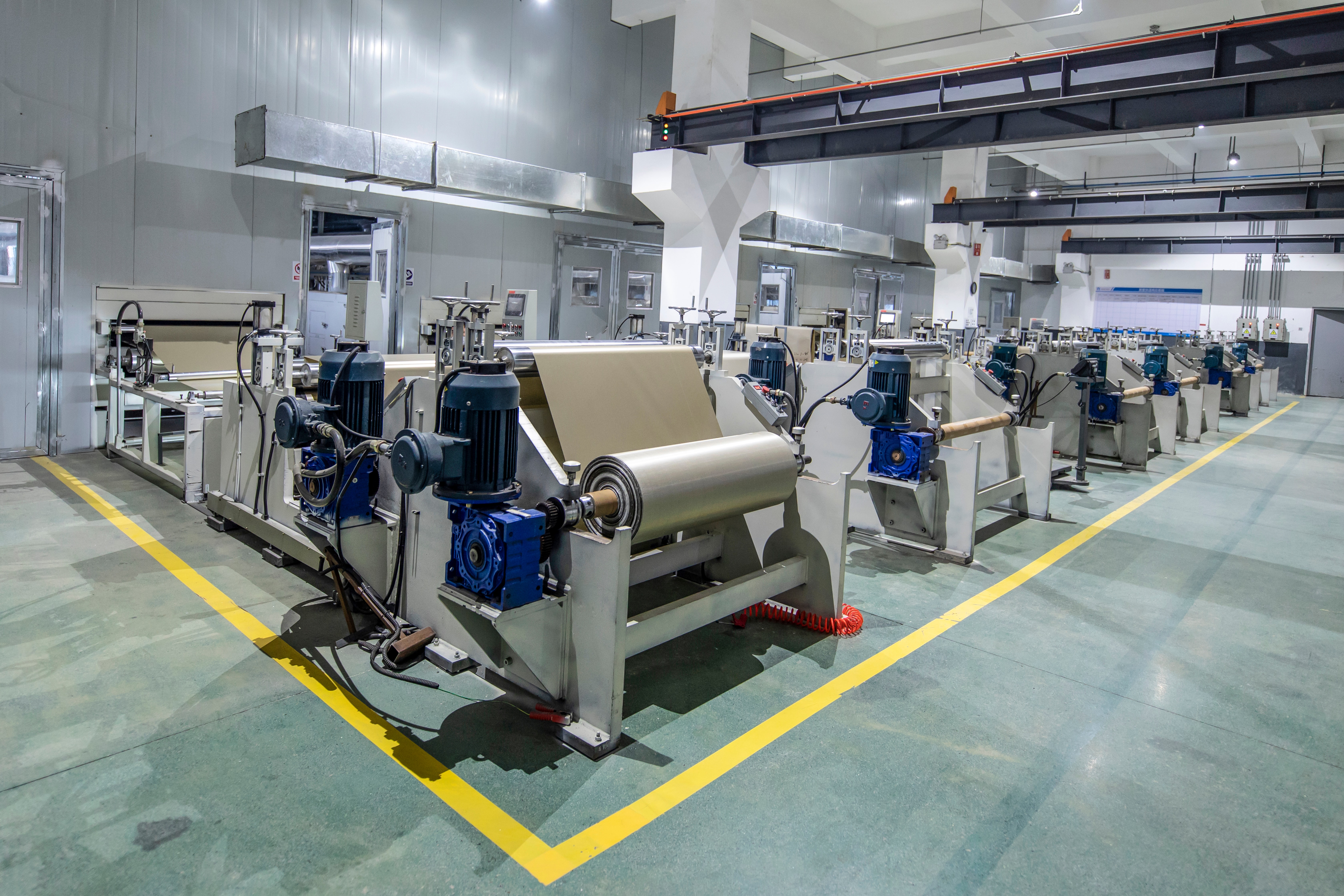
Roll forming is the operation that converts flat mica paper into a cylindrical wall. The sequence below describes the process at the level a buyer needs in order to read a specification and ask sensible questions; the exact machine settings belong to the manufacturer and are not published data.
- Paper selection and slitting. The mica paper grade is fixed — phlogopite, muscovite, synthetic or calcined — and the paper is cut to the width that matches the tube length or the winding angle. At this stage the mica content of the finished wall is largely determined, because the paper's grammage sets how much mineral each ply contributes.
- Resin impregnation. The paper is impregnated with silicone resin and brought to a partially cured state so that it can be handled and wound without the resin running or the sheet delaminating. The resin fraction established here becomes the bond share of the finished tube — in the standard description, approximately 15%.
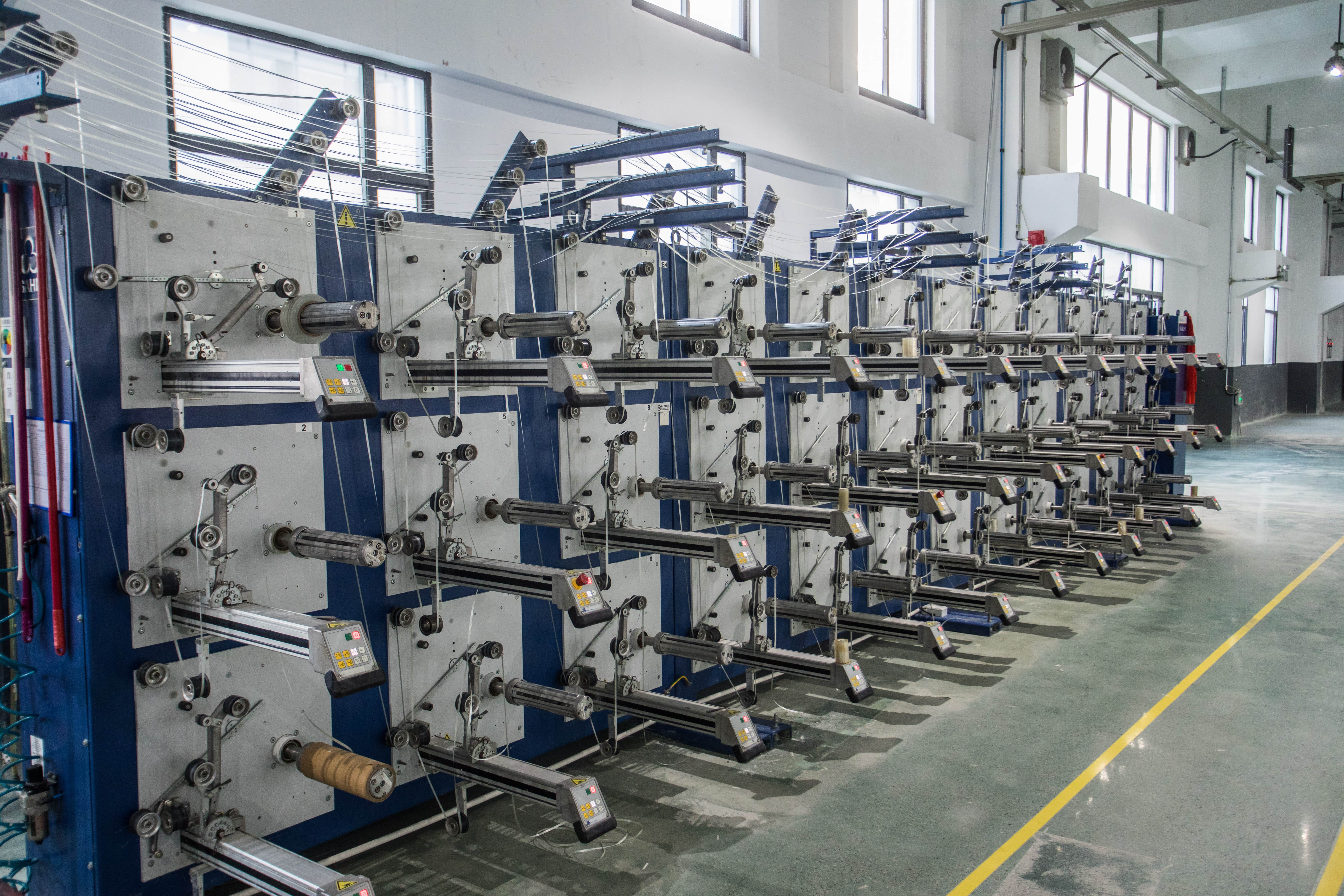
- Winding onto a mandrel. The impregnated paper is wound onto a mandrel whose diameter sets the tube's inside diameter. The number of plies, the winding tension and the overlap pattern together set the wall thickness and its uniformity. This is the step where a tube specification is won or lost: an inside diameter without a wall thickness and tolerance is not a complete specification.
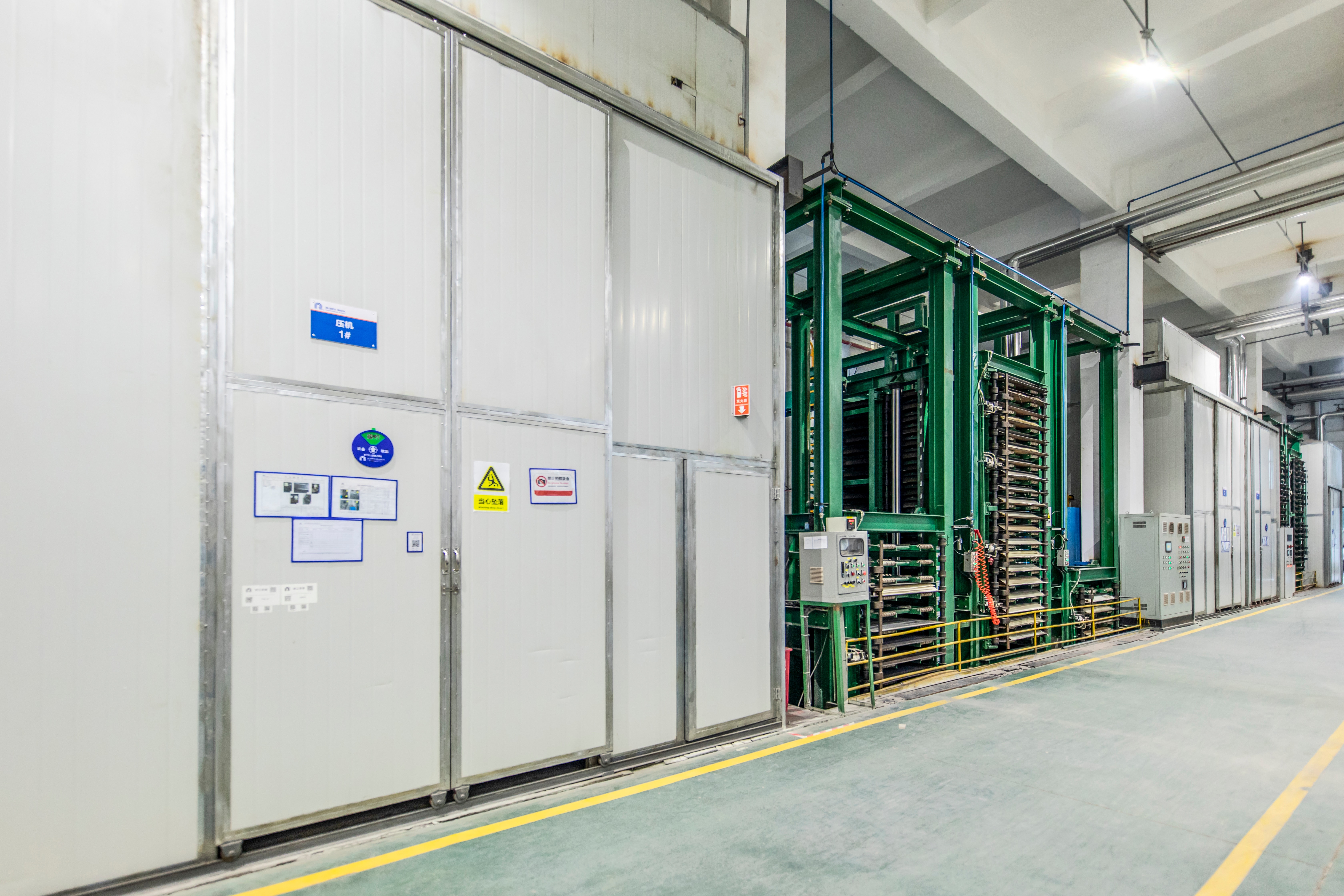
- Consolidation. The wound roll is pressed and heated so that the resin flows, wets the adjacent paper layers and closes any voids between plies. Consolidation is what converts a loose roll of paper into a coherent wall; incomplete consolidation shows up later as delamination when the tube is machined or when it is thermally cycled in service.
- Cure. The resin is cured to its final state, fixing the wall dimensions and developing the bond strength. Cure and consolidation are separate ideas even when they happen in the same press cycle, and a supplier's process capability is really a statement about how well both are controlled.
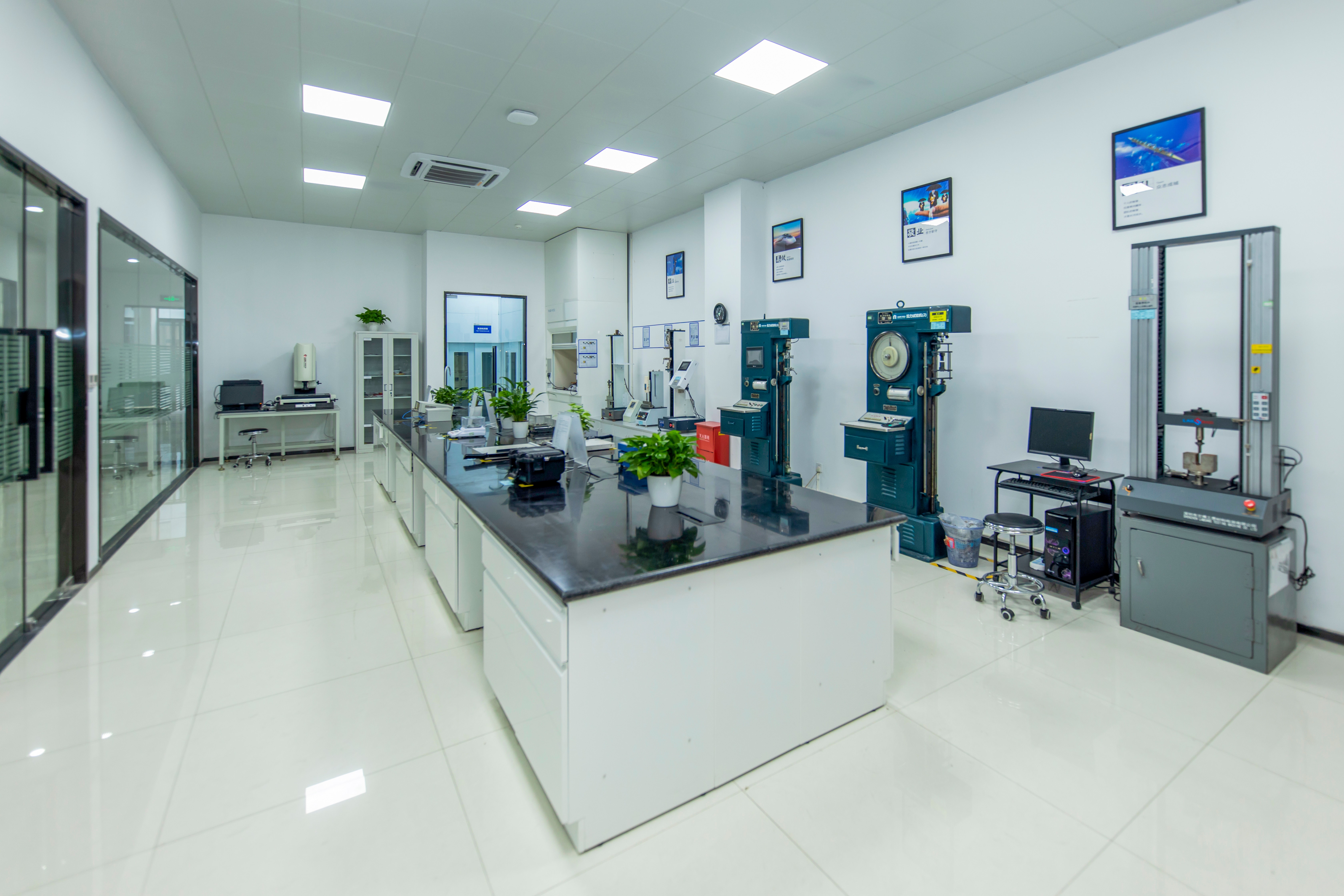
- Mandrel removal, machining and test. The mandrel is withdrawn, and the tube is trimmed to length and, where the drawing requires it, machined, cut or slit into finished mica parts or mica insulators. Dimensional inspection and electrical testing follow; Glory Mica's capability data states 100% testing rather than sampling.
What the buyer actually receives
A finished mica tube is described by a small number of dimensions, and each one traces back to a step in the process above. Inside diameter comes from the mandrel. Wall thickness and its tolerance come from ply count and consolidation. Outside diameter is a consequence of the first two. Length and any machined features come from the finishing operation. Anything the drawing does not state will be decided by the supplier, which is rarely what the designer intended.
The same production logic explains why tube capability is often discussed alongside large-sheet capability. Glory Mica's case record for customers in electric equipment, motors, furnaces and electric-arc furnace applications describes more than five large press machines producing large-size mica insulation sheets to meet a specific customer request, and notes an intention to move beyond the traditional mica tube process that had been limited to standard tube sizes. For a buyer, the practical reading is that non-standard tube dimensions are a capability question rather than a catalogue question, and should be raised before the drawing is frozen.
Where roll-formed mica tube fits in practice
Mica tube is a component-level format, so it appears inside equipment rather than as a standalone product. Glory Mica's application records map its mica tube range, in both phlogopite and muscovite versions, into household-appliance and new-energy/energy-storage product sets. In household appliances the family covers heat guns, hair dryers, fan heaters, toasters, coffee cookers, radiation heaters and electric irons; in new-energy applications the same records describe mica barriers used against high temperature and high voltage in vehicles, energy-storage cabinets and robots, with battery voltages cited in the 400 V to 800 V range.
Industrial heating is the other natural home. For transformers, electric furnaces, generators and magnetic coils, the application record describes mica insulation attached to the inner side of an energised coil, blocking high voltage and providing a structural barrier against molten metal in the event of a furnace crack. A tube format suits cylindrical geometry in that environment — coil formers, spacers, insulators and standoffs — where a flat sheet would need to be bent or stacked.
Fire-resistant cable is the highest-volume mica application in the same portfolio, but it belongs to tape rather than tube: the tape is wrapped between the core and the sheath to provide fire-resistant insulation. The mechanism described in the application record is worth knowing even for tube buyers, because it explains how mica behaves in a fire: the tape is soft and insulating under normal conditions, the adhesive peels away while the sheet remains, the sheet ceramises and forms a shell at high temperature, and at the limit it provides physical insulation. A roll-formed tube made from the same mineral shares the ceramisation behaviour, which is why mica components keep providing a barrier after polymer alternatives have melted.
Mica tape, roll, plate and tube on documented parameters
The table below puts the four formats side by side using only the figures published for named products in the source data. It is the fastest way for a new buyer to see why a tube cannot be specified by copying a tape or roll datasheet.
| Format | Documented construction | Documented figures | Typical role |
|---|---|---|---|
| Mica paper | Phlogopite, synthetic or calcined mica paper; base material for other formats | Grade and grammage carried through into the derived product data | Input sheet for tape, roll, plate and tube |
| Phlogopite mica tape R-5461-P-GFD | Phlogopite mica paper with glass cloth and film reinforcement | 0.14 ± 0.02 mm; 216 ± 13 g/m²; mica 145 ± 5 g/m²; breakdown voltage >3.5 kV; tensile >120 N/15 mm; fire grades 750–850 °C, IEC 60331 | Cable and coil winding |
| Synthetic mica tape R-5461-S-GS | Synthetic mica paper, glass backed | 0.12 ± 0.015 mm; 160 ± 15 g/m²; mica >65%; breakdown voltage >1.4 kV; tensile ≥200 N/15 mm; BS 6387 at 950–1000 °C, IEC 60331 | Higher-temperature cable winding |
| Mica roll R-5461-PGP | Phlogopite mica paper impregnated with silicone resin, glass inside | 0.2 ± 0.02 to 0.5 ± 0.04 mm; mica 350 ± 10 to 730 ± 20 g/m²; breakdown voltage >2 kV to ≥5 kV; lengths 20–100 m | Flexible sheet for appliances, cable and battery barriers |
| Flexible mica plate R-5660-S3 | Phlogopite mica paper with silicone binder, pressed laminate | ≈90% mica / ≈10% bond; ≈1.9 g/cm³; 700 °C continuous, 1000 °C intermittent; dielectric strength >20 kV/mm; UL94 V-0 | Flat insulation, punched parts |
| Mica tube | Listed as phlogopite mica tube and muscovite mica tube | Dimensional and electrical values are not stated in the source data for this article | Cylindrical insulation components |
A blank cell in this table does not mean a format is incapable of a value; it means the figure was not stated in the documentation used for this article and has to be requested from the supplier for the specific product.
Recognition points for buyers new to mica tube
Six checks separate a usable mica tube enquiry from one that will be requoted three times.
- Mineral grade and composition. Confirm phlogopite or muscovite by name, and ask for the mica-to-bond ratio in writing. If a supplier quotes approximately 85% mica and 15% bond, compare that with the plate grades above and ask what the difference means for the intended duty.
- Dimensions with tolerances. Inside diameter, wall thickness with tolerance, outside diameter and length. A tube drawing without a wall tolerance cannot be inspected against, and consolidation variation is exactly what the tolerance exists to absorb.
- Dielectric requirement with a test method. State the voltage the part must withstand and the method used to verify it, rather than a generic insulation claim. Published tape and roll figures range from greater than 1.4 kV to at least 6 kV depending on construction, so a bare statement of dielectric strength without the product and test basis is not comparable.
- Continuous versus intermittent temperature. Always ask which figure is which. The phlogopite and muscovite plate grades differ by 200 °C in continuous rating and 200 °C in intermittent rating, and quoting the intermittent number as if it were continuous is a common source of over-specification.
- Referenced standards and reports. Ask which standard the product is tested to — IEC 60331 and BS 6387 appear in the tape data for this product family — and request the report rather than a summary statement.
- Certificate scope and validity. Glory Mica holds an ISO 9001 certificate numbered 03125Q20088R5M valid to 19 July 2028 and an IATF 16949 certificate numbered T-11367/0 valid to 3 December 2026, both issued for the fabrication of mica products, and its testing laboratory is accredited as CNAS L18348. Ask for the certificate scope that covers the specific tube, and check the validity date at the time of ordering.
Two commercial data points are worth noting at enquiry stage. Glory Mica's capability data lists a minimum order quantity of 1 unit and a lead time of 7 to 30 days, both of which should be confirmed against the specific tube specification rather than assumed. Customisation is offered on material type, thickness and dimensions, shapes and processing, surface treatment and bonding method, which is the relevant lever for a non-standard tube.
Frequently asked questions
China mica insulation manufacturers with IEC-compliant mica tape — how do buyers verify them?
Verification rests on documents, not on the claim. Start with the product datasheet and identify which standard is actually referenced: Glory Mica's phlogopite mica tape R-5461-P-GFD lists fire grades of 750 °C to 850 °C together with IEC 60331, and its glass-backed synthetic mica tape R-5461-S-GS lists BS 6387 at 950 °C to 1000 °C together with IEC 60331. Then ask for the test report behind that reference, the certificate number and scope of the quality system covering the plant, and the validity date of each certificate. A supplier that can produce the report, the certificate number and the scope statement is a different proposition from one that answers with a sentence.
What is the difference between mica paper, mica roll and mica tube?
Mica paper is the base sheet made from mica flakes. Mica roll is that paper impregnated with silicone resin and supplied as a flexible rolled sheet — Glory Mica's R-5461-PGP is listed at 0.2 ± 0.02 mm to 0.5 ± 0.04 mm thickness in 20 m to 100 m lengths. A mica tube is a cylindrical component produced by winding impregnated paper onto a mandrel and consolidating it into a closed wall. The roll is a sheet delivered on a core; the tube is a formed part with an inside diameter and a wall thickness of its own.
What composition does a roll-formed mica tube have?
The composition commonly used to describe the format is approximately 85% mica and 15% bond, with the bond being a silicone resin. For context, Glory Mica's flexible phlogopite plate R-5660-S3 is listed at approximately 90% mica and 10% bond, and its rigid muscovite plate R-5660-H1 at approximately 92% mica and 8% bond. The tube figure reflects the extra binder needed to bond successive paper layers through a wound wall, and the actual ratio for a given product should be confirmed on its datasheet.
What temperature can a phlogopite mica tube withstand?
The rating has to come from the tube datasheet, because the figure for a wound tube is established by its own construction and test. Related phlogopite products show the range involved: Glory Mica's flexible phlogopite plate R-5660-S3 is rated for continuous service at 700 °C and intermittent service at 1000 °C, while its muscovite equivalent R-5660-S1 is rated at 500 °C continuous and 800 °C intermittent. It is not correct to transfer a plate rating to a tube; ask for the tube figure and ask whether it is continuous or intermittent.
Which dimensions should a first mica tube RFQ contain?
Inside diameter, wall thickness with tolerance, outside diameter, length, and any machining or cut features. Add the mica grade, the mica-to-bond composition, the withstand voltage with its test method, the continuous and intermittent service temperatures, the standard to be tested against, the quantity and the packing requirement. A drawing that omits wall tolerance or the test basis leaves those decisions to the supplier, and the resulting part may not be interchangeable with the one the designer intended.
What drives the cost of a mica tube?
Cost follows the construction variables rather than the format name. The mica grade matters, since phlogopite, muscovite, synthetic and calcined papers are different inputs. So does the mica content per unit area, which for the roll family ranges from 350 ± 10 g/m² to 730 ± 20 g/m² across thicknesses, and so does wall thickness, because a thicker wall consumes more impregnated paper per unit length. Non-standard diameters and machined features add processing, and test or documentation requirements add cost that is not visible in the part itself. No public price benchmark is available for this format, so the comparable number is the quotation for the identical specification.
Can a buyer obtain a sample before committing to a tube order?
Yes, and a sample is the sensible first step for a new tube specification, because dimensions, wall tolerance and surface condition are easier to confirm on a physical part than on a datasheet. Glory Mica's capability data lists a minimum order quantity of 1 unit and a lead time of 7 to 30 days, so a sample request can be combined with the first production enquiry. The company's company brochure covers the wider product range, and a sample or quotation request can be sent to info@glorymica.com with the drawing and the duty conditions attached.
Conclusion
A roll-formed mica tube is a short, understandable chain: phlogopite mica paper supplies the mineral sheet, silicone resin binds it, and roll forming winds the impregnated paper onto a mandrel and consolidates it into a wall that is roughly 85% mica and 15% bond. Every property a buyer cares about — diameter, wall thickness, dielectric strength and temperature rating — is decided somewhere along that chain rather than by the word "mica" on its own.
For a buyer in the research and evaluation stage, the useful habit is to separate the mineral question from the format question. Decide the mica grade from the service temperature and duty, using the documented phlogopite and muscovite plate ratings as the reference point. Then decide the format from the geometry, remembering that tape, roll, sheet and plate are sheet products and that a tube is a wound part with its own specification language. Finally, ask for the composition, the tolerances, the test method, the referenced standard and the certificate scope in writing. Those five answers turn a general enquiry into a comparable quotation.
Working on a mica tube specification?
Send the drawing, the service temperature and the withstand voltage to Glory Mica and request a sample or a quotation for the exact tube format. Contact: info@glorymica.com · WhatsApp +86 158-6837-3120 · Download the company brochure.

Have Questions or Need More Details?
Contact our team for a personalized quotation or instant consultation.
Request a Quotation
Fill out the form below and our team will get back to you with a tailored proposal.
WhatsApp Direct Chat
Prefer to chat in real-time? Message us on WhatsApp for instant assistance & quick answers.
- Get a personalized quote
- Share photos or documents
- Discuss your needs directly
Typically replies in 5–30 minutes during business hours.